Free Site Assessment
 02 9629 5200
 Contact Us



 May 12, 2026
 Home Exterior Design Ideas: Modern Australian Facades That Add Street Appeal
Your facade does the heavy lifting on first impressions. A well-planned exterior lifts kerb appeal, signals quality, and frames everything inside. Across Sydney, modern Australian facades blend mixed materials, considered colour, and climate-smart features. The result suits our weather and reflects how we actually live. Picking a custom home builder who understands local conditions makes that vision real on your block.
This guide breaks down the design choices that work today. You’ll find practical material picks, colour palettes, style notes, and climate tips. We’ve also flagged the common slip-ups so you can sidestep them.
Key Takeaways
- Modern Australian facades work best with two or three materials, smart colour, and climate-smart features built in.
- Light tones, deep eaves, and north-facing windows cut summer cooling loads across most Sydney homes.
- Hamptons, modern farmhouse, and contemporary minimalist styles lead new Sydney facade picks across most suburbs.
- A custom home builder pulls design, council rules, and selections together to lift your kerb appeal for decades.
What makes a modern Australian facade stand out today?
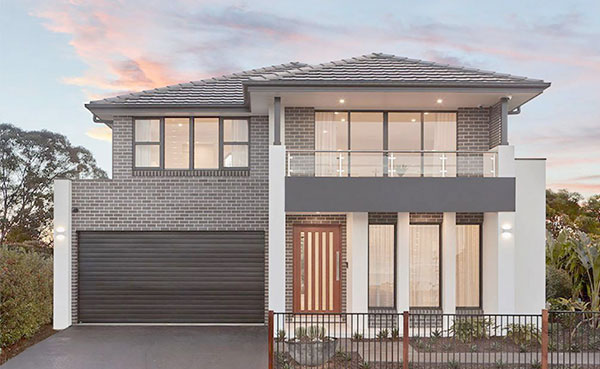
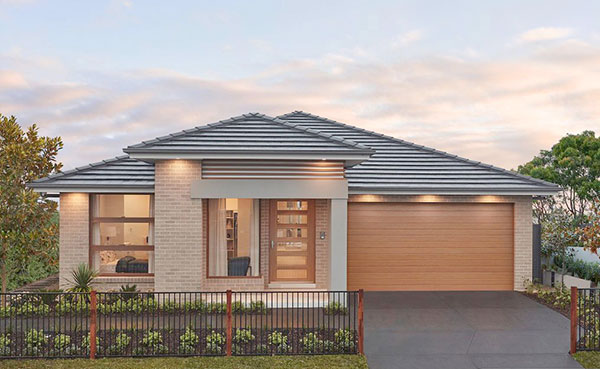
Modern Australian facades lean clean but never sterile. Designers mix two or three materials to add depth without clutter. A brick base might meet rendered upper walls, with timber accents framing the entry. The look stays grounded but not boxy.
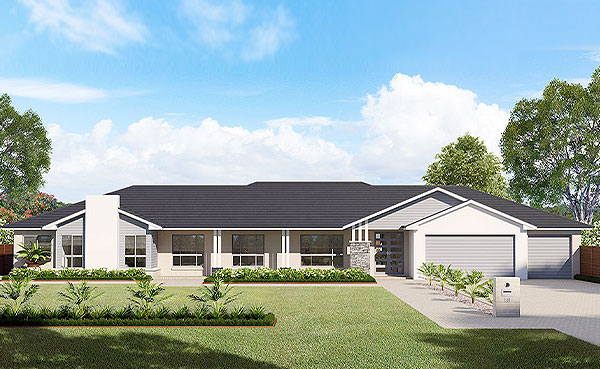
Recent Sydney builds favour low-pitch hipped roofs, generous eaves, and large windows. Colorbond steel features heavily on rooflines and trims. Front porches and verandahs return strongly on Hamptons and farmhouse-leaning designs. The shift reflects how we use the front of our homes again.
Light, shadow, and proportion count as much as the materials themselves. A flat wall with no relief reads cheap from the kerb. Setbacks, recessed entries, and projecting box windows break up the form. These details cost little but lift the whole street view. The team at Provincial Homes brings facade detailing into every project stage.
Which facade materials work best for Australian weather?
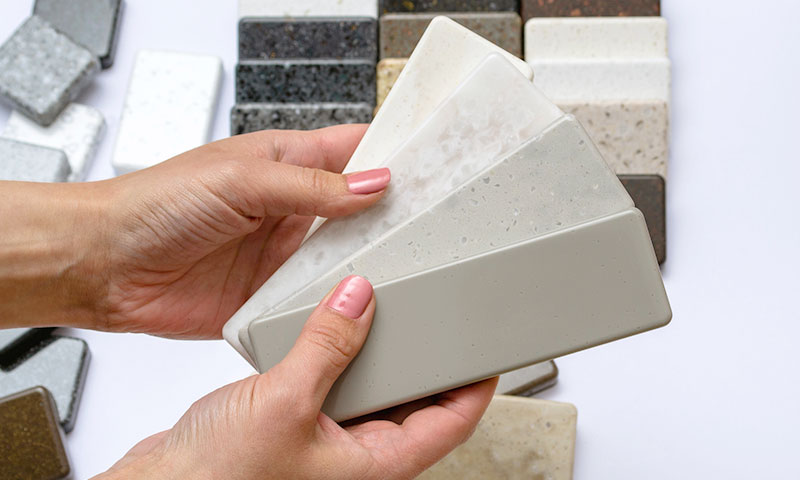
Material choice is the biggest single call you’ll make for the front. Each option carries different costs, looks, and upkeep needs. The right pick depends on your block, climate zone, and council rules.
Brick and full-bed masonry
Brick still leads many Sydney builds for good reason. It handles UV, salt air, and bushfire exposure better than most claddings. Modern formats like long-line bricks give a sleeker look than older builds. Lighter tones reduce heat gain on west-facing walls.
Full masonry walls also score well on thermal mass. High-density walls absorb daytime heat and release it slowly at night. This helps stabilise indoor temperatures across the day. That keeps cooling costs down through Sydney’s summers.
Render and acrylic finishes
Render gives the smooth, modern feel many homeowners want now. Acrylic render holds colour longer than older cement-based mixes. It also flexes slightly, which reduces hairline cracking. Pairing render with brick or stone bases avoids a flat, heavy look.
Timber and timber-look cladding
Real timber adds warmth that few materials match. Spotted Gum and Blackbutt suit Australian conditions and meet most BAL requirements. Composite weatherboards like Scyon Linea give the look with less upkeep. Both work well as accent panels around entries and upper levels.
Stone and stacked stone features
Stone reads premium and lasts decades with no painting. Real stone suits feature walls, piers, or letterbox blade walls. Reconstituted stone panels offer a similar look at a lower cost. Use it sparingly so the facade reads balanced, not heavy. Picking the right materials shapes both cost and lifespan.
How do colour choices shape kerb appeal?
Colour does the most visible work on any facade. Get it right, and the home looks settled, considered, and current. Most Sydney homes today use a three-colour rule for the exterior.
The first colour anchors the main walls. Warm whites, soft greys, and deep charcoals lead the field. The second colour picks out the trim, gutters, and downpipes. Monument and Surfmist remain the top Colorbond choices on new Sydney builds. The third colour appears in the door, window frames, or feature timber.
Light tones on roofs and walls cut summer heat load. Lighter exterior surfaces reflect more solar radiation, lowering ceiling and roof temperatures on hot days. That single choice can save real money on cooling each summer.
Dark facades still suit shaded blocks or homes with deep eaves. They photograph well and pair beautifully with native garden palettes. Just plan the cooling strategy first if you go this way.
Which facade styles suit Australian streets best?
Style brings every other choice together. The right style suits your block, neighbourhood, and how you live. Sydney shows real range across suburbs, but a few stand out on new builds.
Modern Hamptons
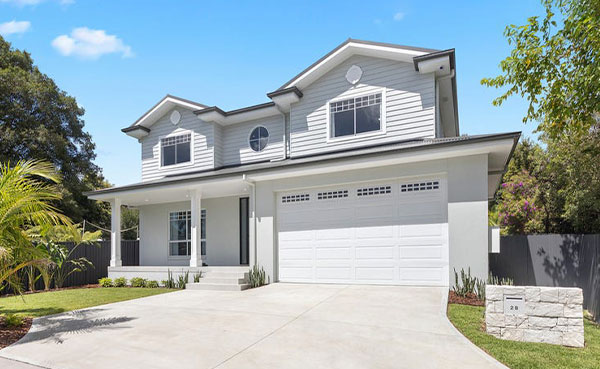
Hamptons grew from American coastal homes but feels right at home in Sydney. Weatherboards, gable returns, and crisp white trims define the look. Soft blues, warm greys, and natural timber carry through to landscaping. The style reads beautifully on Sydney local blocks.
Modern farmhouse
Modern farmhouse pulls from rural Australian sheds and barns. The look uses standing-seam roofs, board-and-batten walls, and black-framed windows. Mixed materials keep the front from reading too rustic. It suits acreage builds and larger suburban lots.
Contemporary minimalist
This style strips back ornament and lets form do the work. Flat or skillion roofs, clean parapets, and large glazed openings carry the look. A render or fibre cement sheet usually handles the wall finish. Lighting and planting play a bigger role than on traditional facades.
Industrial farmhouse hybrid
This newer crossover blends raw materials with softer farmhouse forms. Exposed brick, raw steel, and recycled timber sit alongside white render. The result feels grounded and personal rather than glossy. The look pops up on more Sydney builds each year.
How does climate-responsive design lift facade appeal?
Climate shapes what works on an Australian facade. A design that ignores sun, wind, and rain ages fast. Smart facade choices cut energy bills while still looking good.
Eaves and verandahs remain the simplest cooling tool we have. Average summer temperatures across Sydney suburbs keep climbing each decade. A 600-900mm eave keeps direct sun off windows in summer.
Window placement counts as much as window size. North-facing glass collects winter warmth and avoids harsh western afternoon sun. Smart solar orientation reduces heating and cooling bills year-round.
Australia now requires a 7-star energy rating for most new homes under the NCC 2022. Bushfire-prone areas add another layer to facade choices. Sealed eaves, ember-resistant vents, and non-combustible cladding are required for higher BAL ratings. Provincial Homes works through these requirements across demolition and rebuild jobs and every new build project.
How do landscaping and lighting finish the facade?
Strong facades need a strong front yard. The garden frames the building and softens hard lines. Lighting keeps the design working after dark.
Native plants suit Australian conditions and use less water. Match species to local soil and rainfall. Lomandra, westringia, dianella, and grevillea perform well across Sydney. Group plants in clusters of three or five rather than single plantings.
Lighting works best when it stays subtle. Warm-white LEDs around 2700K to 3000K flatter most exterior materials. Light up the entry, key trees, and one or two facade features. Avoid lighting every wall, which flattens the design.
Driveways, pathways, and the letterbox count too. Match the driveway material loosely to the facade palette. A black or charcoal letterbox sharpens lighter facades. These finishing touches feature across larger property builds and low-set family homes on recent jobs.
How do popular facade styles compare for Sydney homes?
Picking a style depends on block, budget, and look. The table below shows how common Sydney facade styles compare across key factors.
| Style | Best Suited For | Common Materials | Maintenance | Best Climate |
|---|---|---|---|---|
| Modern Hamptons | Suburban & coastal homes | Weatherboard, render & brick | Medium | Coastal Sydney |
| Modern Farmhouse | Acreage & larger suburban blocks | Render, board-and-batten & steel | Low | Inland Sydney |
| Contemporary Minimalist | Narrow lots & urban homes | Render, fibre cement & steel | Low | Suitable across Sydney |
| Industrial Hybrid | Urban & suburban homes | Brick, steel & timber | Low | Suitable across Sydney |
What facade trends are shaping Sydney homes right now?
Trends in residential design move slowly, but a few stand out across Sydney. These choices show up in recent display home releases and current planning approvals.
Here are the directions for new Sydney builds in 2026:
- Mixed materials beat single-material facades on most new approvals across the Sydney basin this year.
- Black-framed aluminium windows now feature on most contemporary and farmhouse-leaning builds across the city.
- Natural Spotted Gum and Blackbutt timber returns in entries and upper-level accent panels on premium builds.
- Earthy palettes like warm whites, putty, and stone tones replace the cool greys of past years.
- Skillion and butterfly roofs are common on contemporary builds, while hipped roofs remain popular on traditional designs.
- Larger porches and verandahs return as homeowners use the front of their homes for everyday living.
- Curved entries, gable returns, and arched openings add personality without making the facade feel busy.
These directions draw on broader thinking for designing a new home.
Which facade mistakes should you avoid?
Even great materials can trip up if details slip. The slip-ups below cost money or hurt resale value down the line.
Common facade missteps to plan around include the following:
- Picking too many materials makes the front read cluttered and dates the build inside a few years.
- Forgetting eaves on west-facing walls adds to cooling costs across decades of hot Sydney summers.
- Matching brick to render too closely flattens the form and removes the depth a facade needs.
- Ignoring the roof colour costs you, since roofs cover up to 40 per cent of the kerb view.
- Forgetting the letterbox and bin storage means these features sit front and centre with no design love.
- Underspending on the front door undermines the entry that sets the tone for every first impression after the kerb.
- Skipping landscaping in the build budget makes any new design read cheap until plants finally mature.
Plenty more sit on this list of common construction missteps worth planning against.
How does a custom home builder shape your facade?
A great facade comes from sharp planning, not luck. A custom home builder pulls together design, materials, and council rules into a single process. The right builder lifts your facade beyond standard volume-builder choices.
Sydney custom builds usually move through site assessment, design, selections, and build. Each step shapes the final facade. Block orientation, neighbouring rooflines, and council planning controls feed into the design. The Provincial Homes approach covers all four stages. This includes an early block walkthrough and the interior selections day.
Working through this stage carefully pays off long after move-in. A facade that suits its block, climate, and street holds value across decades.
Frequently Asked Questions
What facade material lasts longest in Sydney?
Brick and full masonry hold up best across Sydney’s conditions. They handle UV, salt air, and bushfire exposure with little upkeep. Quality render also performs well with periodic repaints every 10 to 15 years. Timber needs more care, but adds warmth that other materials cannot match.
How much does a new home facade cost in Sydney?
Facade costs vary widely based on materials and detailing choices. Basic render and brick combinations sit at the lower end of new builds. Full stone, cedar timber, and standing-seam metal roofs push costs higher. Have a look at broader build costs for a useful starting point.
Do facade choices need council approval in NSW?
Yes, facade design forms part of your development approval in most NSW councils. Local planning controls cover materials, colours, and roof forms in many areas. These rules apply to all new homes and major renovations across NSW.
Can I update a facade on an older home?
Yes, facade updates work on most existing homes with the right approach. Render over brick, new windows, and updated rooflines can quickly lift older buildings. Bigger changes may need council approval depending on the scope. The team can guide you on when renovation falls short and when new construction is preferred.
What is the most popular Australian facade style now?
Modern Hamptons leads new builds across coastal and suburban Sydney. Modern farmhouse follows close behind, especially on larger lots. Contemporary minimalist suits narrow inner-city blocks well. Each style adapts to the Australian climate and lifestyle when detailed properly.